Industrial Valve Painting & Color Coding: The Complete Standards Guide
Valve color coding is one of the most misunderstood aspects of industrial piping systems. Engineers, procurement managers, and field technicians often confuse the two independent color systems that govern valve appearance — leading to costly specification errors, safety risks, and project delays.
This guide provides a definitive reference based on Chinese national standards JB/T 106, GB 7231, and relevant international standards (ISO, ANSI, API, SY/T 0043), with practical insights drawn from Gaoshan Valve’s 50+ years of manufacturing experience serving oil & gas, petrochemical, power generation, water treatment, and industrial projects worldwide. Whether you are an EPC specification writer, a plant MRO manager, or a procurement engineer, this guide will help you specify valve identification requirements with confidence.
⚡ Key Takeaway: There are two completely separate color systems for valves — one for the valve body material (factory-applied, per JB/T 106) and one for the pipeline media (field-applied, per GB 7231). Never mix them up during specification or inspection.
1. The Two Independent Color Systems
Before diving into details, it is essential to recognize that industrial pipe marking and valve identification follow two distinct standards with entirely different purposes:
Aspect
System 1: Valve Body Paint
System 2: Pipeline Color Coding
What It Indicates
Valve body material (cast iron, cast steel, stainless steel, etc.)
Media flowing through the pipeline (water, steam, gas, acid, etc.)
Governing Standard
JB/T 106 (China National Machinery Standard)
GB 7231 (China National Standard for Industrial Pipeline Identification)
When Applied
At the factory — part of manufacturing and quality control
On-site during pipeline installation and commissioning
Who Is Responsible
Valve manufacturer (e.g., Gaoshan Valve)
EPC contractor or plant operator
Applies To
Valve body, bonnet (excluding handwheel)
Entire valve exterior + connected piping
📐 Referenced Standards for Valve Painting & Identification
JB/T 106 — Valve Marking and Painting (阀门的标志和涂装) — specifies factory-applied body colors by material type
GB 7231 — Basic Identification Colors and Code Indications for Industrial Pipelines (工业管道的基本识别色) — specifies field-applied colors by media type
SY/T 0043 — Standard for Color Coding of Pipelines in Oil & Gas Fields (油气田管道颜色标准)
ISO 14726 — Ships and Marine Technology — Identification Colors for the Content of Piping Systems
ANSI/ASME A13.1 — Scheme for the Identification of Piping Systems
2. System 1 — Valve Body Paint: Material Identification (JB/T 106)
The JB/T 106 standard defines factory-applied paint colors on the valve body (excluding the handwheel) that correspond to the material of construction. This is the primary reference for procurement, incoming inspection, and warehouse management. Correct body color identification helps prevent material mix-ups that could lead to catastrophic failures in high-temperature or corrosive service.
2.1 Valve Body Color — Material Cross-Reference Chart
Body Color
Material
Material Grades
Typical Applications
Pressure Rating
Black
Gray Cast Iron / Malleable Iron
HT200, HT250, KTH
Low-pressure water supply, sewage, HVAC; PN ≤ 10
PN6–PN16
Silver / Silver-Gray
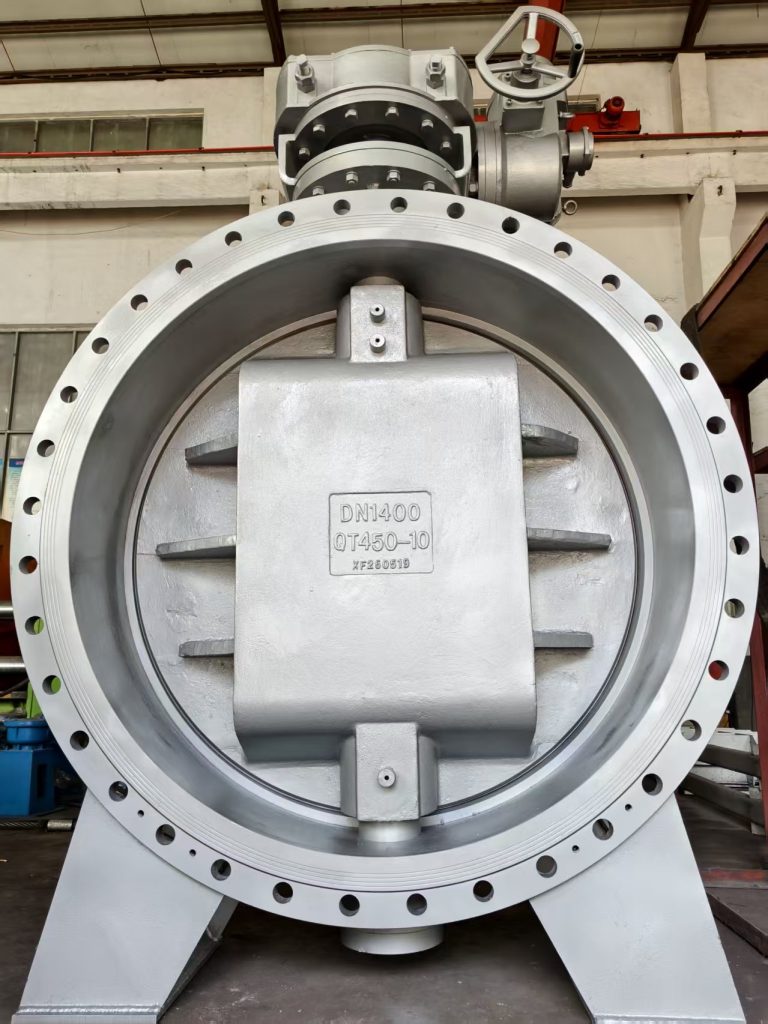
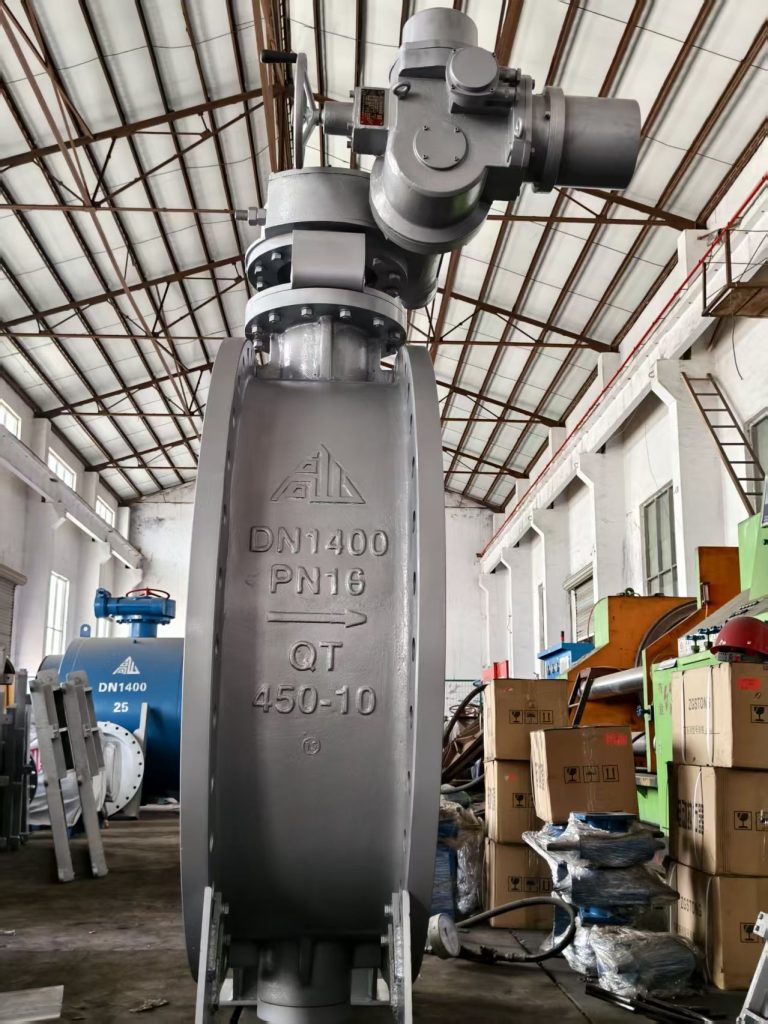
Ductile Iron (Nodular Cast Iron)
QT400-15, QT450-10, QT500-7
Municipal water supply & drainage, butterfly valves for water networks
PN10–PN25
Medium Gray
Carbon Steel (Cast Steel WCB)
WCB, WCC, LCB (low-temp)
Steam systems, hot oil, high-temperature water, medium & high pressure
PN16–PN420 (Class 150–2500)
Sky Blue
Stainless Steel (Austenitic)
CF8 (304), CF8M (316), CF3 (304L), CF3M (316L)
Corrosive media, clean water, food-grade, chemical processing
PN16–PN420
Dark Blue
Alloy Steel (Cr-Mo)
WC6, WC9, C5, C12, ZG15Cr1Mo1V
High-temperature & high-pressure power plants, thermal oil pipelines
PN63–PN420 (Class 600–2500)
Natural Metal (Unpainted)
Copper Alloy / Aluminum Alloy
Bronze, Brass, Al-Bronze
Gas service, clean water small-bore valves, marine applications
PN6–PN25
💡 Pro Tip: Stainless steel valves (CF8/CF8M/CF3/CF3M) are often shipped unpainted per customer request — especially for export orders. The natural passivated surface of stainless steel provides its own corrosion resistance. If painting is required for color-coding purposes, always use a low-chloride epoxy coating to avoid stress corrosion cracking (SCC). Gaoshan Valve offers both painted (sky blue per JB/T 106) and unpainted (pickled & passivated) options for all stainless steel valves.
2.2 Special Cases: When Body Color Goes Beyond Material
Fire Protection Valves: Often painted red on the entire body regardless of material — this follows fire safety regulations (GB 5135 / NFPA), not JB/T 106 material coding.
Safety Valves: In the oil & gas sector (SY/T 0043), safety valves are uniformly painted bright red for immediate visual identification in emergencies. This overrides material-based color coding.
Underground Valves: Typically coated with bituminous black epoxy or coal tar enamel for corrosion protection, overriding standard color codes entirely.
3. Handwheel Colors: Trim & Seat Material Identification
While the valve body color indicates the pressure-containing material, the handwheel color (per JB/T 106) identifies the sealing surface / seat material — a critical detail for maintenance, repair, and replacement (MRO) operations.
Handwheel Color
Seat / Seal Material
Common Valve Types
Red
Copper Alloy Seat (Bronze / Brass)
Gate valves, globe valves, check valves for steam & water
✓ Warehouse Inspection Tip: When receiving valves, check both body color (material) AND handwheel color (seat type). A gray body with a green handwheel = carbon steel valve with soft seat — this combination is common for municipal water butterfly valves. A gray body with a red handwheel = carbon steel valve with bronze trim — standard for steam service.
4. System 2 — Pipeline Color Coding: Media Identification (GB 7231)
Once valves are installed, they must be painted to match the pipeline color scheme per GB 7231. This plant safety color code ensures operators can instantly identify what media is flowing through any given valve — critical for emergency response and daily operations.
4.1 GB 7231 Media Color Chart
Color
Media / Service
Examples
Bright Green
Water (Cold / Circulating / Supply & Drainage)
Cooling water, municipal water supply, wastewater
Bright Red
Steam / Fire Protection Water
Process steam, fire hydrant lines, fire sprinkler systems
Light Blue
Oxygen / Compressed Air
Instrument air, medical oxygen, industrial compressed air
Yellow
Natural Gas / Coal Gas (Combustible Gases)
Natural gas distribution, LPG, syngas
Brown
Fuel Oil / Combustible Liquids
Diesel, heavy fuel oil, crude oil
Purple
Acids / Alkalis / Corrosive Media
Sulfuric acid, caustic soda, hydrochloric acid
Black
Nitrogen / Inert Gases
N₂ purge lines, argon, helium
Silver-Gray
High-Temperature Steam (Power Plants)
Main steam, hot reheat, HP steam piping
4.2 Oil & Gas Field Exception: SY/T 0043
In Chinese oil and gas fields, SY/T 0043 takes precedence over GB 7231. Under this standard:
All valves follow pipeline color — no distinction between body material color and media color
Natural gas pipelines and all associated valves → yellow
Water injection pipelines and all associated valves → green
Safety valves → uniform bright red regardless of service
5. International Standards Comparison
For international projects and export orders, understanding the differences between Chinese, ISO, and American valve identification standards is essential to avoid non-compliance and costly rework.
Standard
Region
Key Requirement
Notable Differences
JB/T 106
China
Valve body paint = material type; handwheel color = seat material
Dual coding system unique to China
GB 7231
China
Pipeline color = media type
Similar in principle to ISO 14726
ISO 14726
International (Marine)
Piping system identification colors
Oxygen → sky blue (mandatory); Air → light gray (stricter distinction than GB)
ANSI/ASME A13.1
USA
Pipe marker color + legend text
Steam valves commonly painted silver, not red; uses text labels in addition to color
API 6D / API 600
International (Oil & Gas)
Valve design & testing — no color mandate
Does not specify paint color; defers to project specification or local regulation
SY/T 0043
China (Oil & Gas Fields)
Pipeline & valve unified color = media
Overrides JB/T 106 body color in oilfield applications
🌍 Export Note: For valves exported to Europe, the Middle East, or Southeast Asia, Gaoshan Valve recommends specifying color requirements explicitly in the purchase order. Stainless steel valves are typically shipped unpainted for international customers. Carbon steel and alloy steel valves can be painted to any international standard (RAL, Munsell, or project-specific) upon request.
6. Industry-Specific Requirements
6.1 Power Generation (Thermal & Nuclear)
High-temperature alloy steel valves (WC6/WC9) → dark blue body per JB/T 106
Main steam and hot reheat lines → silver-gray field coat per GB 7231
Auxiliary cooling water → bright green
Many power plants maintain their own internal color specifications — always verify against the project P&ID legend sheet
6.2 Oil & Gas (Upstream, Midstream, Downstream)
Wellhead and gathering systems → follow SY/T 0043 (yellow for gas, green for water)
Refinery and petrochemical → typically follow GB 7231 with company-specific supplements
API 6D pipeline valves → factory paint per project spec; stainless steel often unpainted
Safety valves → red (mandatory in Chinese oil & gas sector)
6.3 Chemical & Petrochemical
Acid/alkali service → purple pipeline color per GB 7231
Stainless steel valves (CF8/CF8M) preferred → sky blue body or unpainted
Lined valves (PTFE, PFA) — special coating requirements; consult manufacturer
6.4 Municipal Water & Wastewater
Large-diameter butterfly valves → silver body (ductile iron QT450)
Gate valves → black (cast iron) or silver (ductile iron)
Green handwheel = resilient seated (standard for water service)
7. Best Practices for Valve Painting & Coating
7.1 Surface Preparation
Degreasing: Remove all oil, grease, and cutting fluid residues using alkaline cleaners or solvent wiping per SSPC-SP1
Blast Cleaning: Achieve Sa 2½ (ISO 8501-1) / SSPC-SP10 near-white metal blast for carbon/alloy steel; SSPC-SP6 commercial blast for cast iron
DFT (Dry Film Thickness): Measured per ISO 2808; ±20% tolerance from specified value
Adhesion: Cross-cut test per ISO 2409 or pull-off test per ISO 4624 (≥5 MPa for epoxy systems)
Holiday Detection: 100% spark testing for immersion or buried service coatings
Color Verification: Visual comparison against RAL or Munsell color standards; spectrophotometer for critical applications
✓ Gaoshan Valve Factory Standard: All Gaoshan valves undergo automated shot blasting followed by electrostatic spray painting on a dedicated production line, ensuring uniform coating thickness and consistent color matching to JB/T 106 requirements. Optional epoxy or PU coating systems are available for corrosive environments. Full coating inspection reports and material certificates are provided with every shipment.
8. Gaoshan Valve: Your Trusted Partner for Standards-Compliant Valves
Henan Gaoshan Valve Co., Ltd. (高山阀门) has been a trusted name in industrial valves since 1975. With nearly five decades of manufacturing excellence and a 120,000 m² integrated facility — from foundry and machining to assembly, testing, and painting — we understand the critical importance of proper valve identification through painting and color coding.
Why Choose Gaoshan Valve?
Capability
Detail
Experience
Founded in 1975 — 50+ years of valve manufacturing expertise
Capacity
600,000+ valves per year; 20,000 tons of casting capacity; 120,000 m² facility
Standard JB/T 106 colors for domestic Chinese projects
Custom RAL / Munsell colors for international projects
High-performance coating systems (epoxy, PU, zinc-rich) for corrosive environments (ISO 12944 C1–C5)
Unpainted stainless steel (pickled & passivated) for export and food-grade applications
Stenciled markings (tag number, line number, P&ID reference) on valve body
📞 Need Valves That Meet Your Project’s Painting Specifications?
Contact Gaoshan Valve for a customized quotation. We manufacture to GB, ANSI, API, BS, and JIS standards — with painting and coating systems to match any international requirement.
Q: Why is my carbon steel valve painted gray instead of black?
A: Per JB/T 106, medium gray indicates carbon steel (WCB), while black indicates gray cast iron (HT200). This is correct and intentional — the colors help warehouse staff quickly distinguish between cast iron and cast steel valves without reading the nameplate. Carbon steel is suitable for high-temperature and high-pressure applications where cast iron would fail.
Q: Can a valve be painted in both body material color AND media color?
A: Yes, and this is actually the most common scenario. The valve body is factory-painted in the material identification color (e.g., gray for WCB carbon steel). After installation, the EPC contractor applies the pipeline media color (e.g., yellow for natural gas) to the entire valve exterior. The key is that these are applied at different stages by different parties — they serve complementary purposes.
Q: Do stainless steel valves need to be painted?
A: Per JB/T 106, stainless steel valves should be painted sky blue for domestic Chinese projects. However, for international/export orders, most customers request stainless steel valves to be shipped unpainted (pickled and passivated only). Always confirm with the end user or project specification. Gaoshan Valve offers both options.
Q: What paint color should be used for fire protection valves?
A: Fire protection valves (fire hydrant valves, sprinkler system valves) should be painted bright red regardless of the body material. This follows fire safety regulations (GB 5135 / NFPA standards) and takes precedence over JB/T 106 material color coding for fire service valves.
Q: How do I specify valve painting requirements in a purchase order?
A: Include the following in your PO or technical specification:
“Valve body painting shall comply with JB/T 106: [color] for [material] body”
“Coating system: [primer] + [topcoat], DFT: [μm], per ISO 12944 [category]”
“Inspection: coating DFT report and adhesion test certificate required”
Q: What is the difference between JB/T 106 and GB 7231 valve colors?
A: This is the single most important distinction in this guide. JB/T 106 governs the factory-applied paint on the valve body and indicates the material of construction (e.g., gray = carbon steel). GB 7231 governs the field-applied paint on the entire valve + pipeline and indicates the media flowing inside (e.g., yellow = natural gas). They serve completely different purposes and should never be confused during specification, procurement, or inspection.
Q: What if our project uses American or European standards instead of Chinese standards?
A: No problem. Gaoshan Valve manufactures to ANSI, API, BS, and JIS standards in addition to GB. For painting, we can apply any customer-specified color (RAL, Munsell, or project-specific) and any coating system (from basic alkyd to offshore-grade epoxy glass flake). Simply include the color and coating requirements in your RFQ. We also ship stainless steel valves unpainted by default for international customers unless otherwise specified.
Q: Can Gaoshan Valve provide paint certification and coating test reports?
A: Yes. Every shipment from Gaoshan Valve includes full documentation: material test certificates (MTC per EN 10204 3.1), coating DFT reports, adhesion test results, and color verification records. For critical-service valves, we can also provide holiday detection reports and third-party inspection (TPI) coordination.
📌 Next Steps: How Gaoshan Valve Can Help
① Browse Products — Explore our full range of industrial valves — gate, globe, check, butterfly, ball, and safety valves.
② Request a Quote — Send us your specifications at info@gaoshanvalve.com — we respond within 24 hours.
③ Download Datasheets — Get technical datasheets with full material, coating, and testing specifications.